
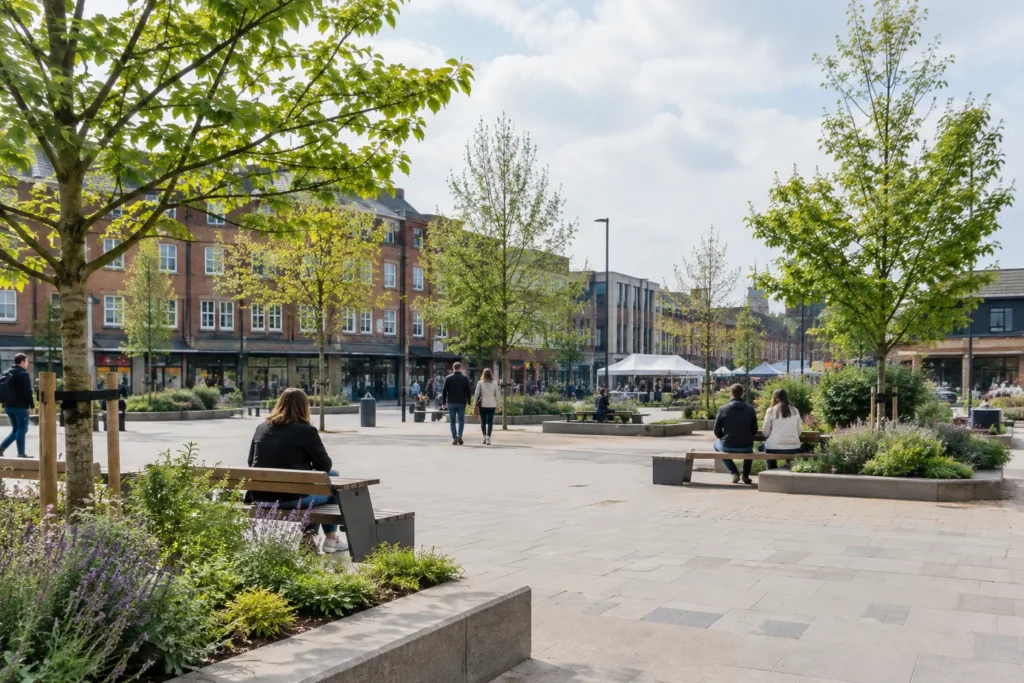
Civic Square is open following its formal opening in September 2026. Council records explain the remaining work, market preparations for early 2027 and decisions on neighbourhood funding.
Town-centre changes and the next phase
Leigh regeneration has reached a visible milestone: Civic Square is open, with its main improvements complete, according to Wigan Council. As checked on 24 October 2026, some finishing work remains, significant market works are forecast for early 2027, and neighbourhood funding has progressed to recorded Community Fund approvals. These are different stages of delivery, not evidence that the whole programme is finished.
Civic Square reopening: improvements and finishing work
The council records the square’s formal opening by Mayor of Wigan Councillor Anne Collins on 10 September 2026. Its Civic Square project page confirms that the space is open for public use.
Improvements include natural stone paving, increased lighting, replacement trees and improved seating. Play stepping stones incorporate designs inspired by local buildings and planting, adding a playful feature within the redesigned public space.
Accessibility measures include benches at different heights, with backrests and armrests, alongside direct pedestrian routes and sensory planting. Braille and British Sign Language versions of the poem and heritage timeline are available.
The Civic Square reopening does not mean every finishing task has ended. At the 24 October 2026 check, temporary concrete blocks remained while specially designed permanent bollards were awaited.
The council scheduled remaining tree planting from November, during the November–March dormant season. It says the minor outstanding works will not affect access. Visitors can therefore use the square while these smaller additions remain outstanding.
Heritage features connect the square with Leigh’s past
The renewed square includes the Leigh Young Writers’ Still-bright poem, refreshed Believe Stars in natural stone and a heritage timeline. These features place local stories within the everyday public space rather than treating the redesign solely as paving and planting.
The improved Pete Shelley Memorial Garden includes a cherry tree expected to blossom around his April birthday. This is an anticipated seasonal feature rather than a fixed flowering date.
The published heritage timeline traces the obelisk to 1762. It records the Town Hall’s opening in 1907 and identifies its architect as James Caldwell Prestwich, who was born in Atherton and practised in Leigh.
The market moved in 1968 to make room for the library and Civic Square. The Turnpike Gallery and square opened in 1971, designed by J.C. Prestwich and Sons, with a frieze by William Mitchell.
Two September dates relate to the Civic Square reopening. The council’s announcement on 7 September 2026 advertised a public launch on 12 September, from 11am to 3pm, with performances and craft activities. That advertised occasion was separate from the formal opening recorded on 10 September.
How community consultation shaped the redesign
PLACED’s January 2025 community engagement report records approximately 573 participants contributing between 7 September and 15 December 2024. Activities included online surveys, pop-ups, drop-ins and youth workshops.
Engagement took place at Civic Square, Leigh Library and local schools. Wigan Council commissioned SLR Consulting, supported by WSP and PLACED. PLACED facilitated community involvement in this part of Leigh regeneration throughout the design process.
Participants raised concerns about poor lighting, antisocial behaviour, litter and maintenance. Some described the square as underused or disconnected. These were consultation responses, not measurements of conditions following the redesign.
Suggestions combined everyday needs with local identity. Participants wanted accessible surfaces and seating, trees and wildlife-friendly planting, and better connections to surrounding shops and transport. They also sought recognition of local heritage, art, sporting achievements and notable figures.
The consultation envisaged a multifunctional square for markets, events, play, relaxation and gathering. Several requests are reflected in the documented seating, planting and heritage features. However, participation figures are not representative polling. The report does not demonstrate that this part of Leigh regeneration has resolved every concern or changed visitor behaviour.
Leigh Market refurbishment: works and temporary trading plans
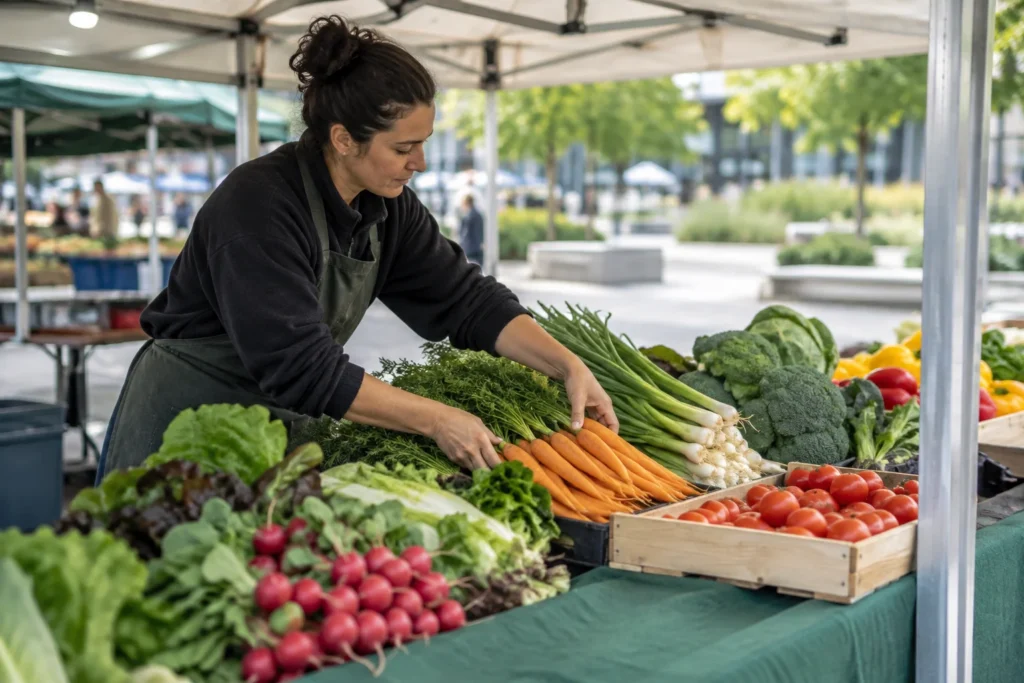
The next reported milestone for Leigh Market refurbishment is significant works in early 2027. That forecast appears in the council’s 7 September 2026 regeneration announcement; it is not a confirmed completion or reopening date.
As checked on 24 October 2026, the stated arrangement was for traders to use temporary units inside Spinning Gate shopping centre once work starts at the existing hall. The announcement describes a planned move following discussions with traders, not a relocation already completed.
The Market Hall project page describes refurbishment of the existing building, intended to improve conditions for traders and customers. DAY Architects was appointed to develop the design.
Initial ideas associated with the funding bid were tested against different options and stakeholder discussions. They should not be read as final proposals without reference to the subsequent design process.
Spring 2025 engagement included trader workshops and an online public survey, with Next Phase leading early engagement. The council also identifies input from community organisations and access groups. Leigh Market refurbishment therefore has its own design and engagement history, separate from the square’s consultation.
The dedicated page retains an older broad milestone of “2026 onwards”; the September announcement provides the later, more specific forecast for significant works.
Shopfront investment and town-centre walking connections
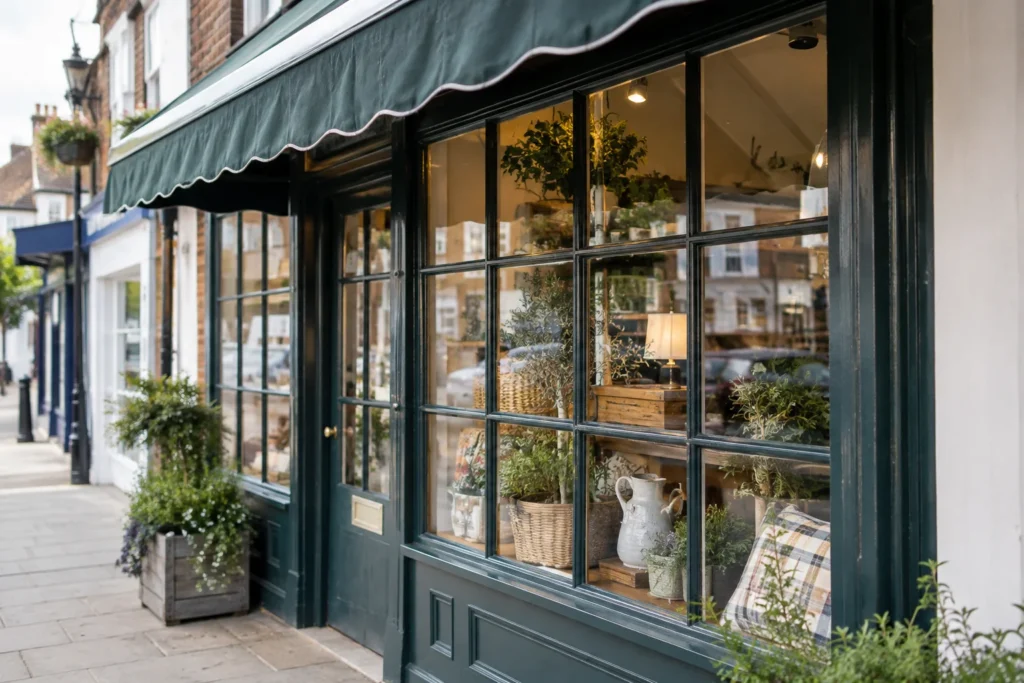
Leigh regeneration also includes conservation-led work to commercial properties in the Bradshawgate conservation area. The council records interest from more than 60 business owners in autumn 2024 and the selection of 27 properties following assessment.
The building grant scheme describes funding of up to 90% for eligible repairs. Examples include shopfronts, traditional signwriting, historic windows and doors, brickwork, timber details, high-level joinery and awnings.
Those terms describe the scheme for selected properties, not a currently open offer to every business. Creative Heritage consultants are named as project managers working with participating properties.
The page records work beginning in autumn 2025 and a planned March 2026 completion and grant-spending deadline. At the 24 October 2026 check, that historical target did not itself confirm completion at every selected property.
The Market Place Corridor scheme covers the B5215 between Lord Street and St. Mary’s Way, connecting retail with Civic Square, the Turnpike and library. Its page records April–May 2025 consultation and an autumn 2025–spring 2026 construction programme. Again, a published programme is not the same as verified completion.
How Leigh regeneration funding fits together
The Leigh regeneration funding totals describe overlapping programmes, so they cannot simply be added together. The September announcement identifies £11.4m of UK Government funding for a package including Civic Square, shopfront grants and market refurbishment.
The council’s wider Leigh regeneration overview describes more than £32m for the town centre. This comprises more than £12m through the UK Shared Prosperity Fund and Levelling Up Fund, followed by £20m through Pride in Place over a decade. The overview also includes links between Market Street and King Street.
Pride in Place is a distinct strand, but its £20m is already included in that broader total. Adding all four headline figures would count overlapping investment more than once.
The 2026–2036 regeneration plan identifies £6.658m in capital and revenue grants for 2026/27–2029/30. Approximately £0.4m of capacity funding brings that first-period total to about £7m.
The £6.658m grant allocation, excluding capacity funding, is split illustratively: 63% for regeneration, high streets and heritage; 19% for safety and security; 13% for cohesion; and 5% for work, productivity and skills. These are planning allocations, not recorded expenditure. The plan initially prioritises town-centre regeneration and safety, while allowing adjustments as investment requests are appraised.
Neighbourhood funding: applications and board decisions
Leigh’s independently chaired Neighbourhood Board brings together business, community, political, police, health and education representatives. Its ten-year vision and four-year investment plan were submitted to government on 28 November 2025.
The call-for-projects page states that government has approved the Leigh regeneration plan. This gives a later stage in the programme than the older submission wording retained on the board overview.
As checked on 24 October 2026, the call’s status notice said applications were closed and under evaluation. The round included the medium-to-large Leigh Fund and a Community Fund offering revenue grants up to £2,000. The application deadline was 12 June 2026; the retained “now open” heading should not be treated as a fresh invitation.
However, evaluation wording does not mean no decisions have occurred. Minutes dated 28 July 2026 record approval of recommended Community Fund projects through separate votes, allowing conflicted members to leave.
The secretariat was instructed to finalise funding agreements and notify applicants. The minutes do not identify recipients, individual awards or completed agreements. They also describe wider project funding as significantly oversubscribed, with pressure on revenue and mismatches between annual allocations and requested timing. Recorded approvals therefore do not establish completed funding arrangements.
Proposed priorities and how projects will be assessed
The next phase depends on developing and assessing individual Leigh regeneration proposals. Leigh Fund guidance identifies potential site or building acquisition, premises refurbishment, expanded building grants, public-space improvements and cultural commissions.
Proposed safety activity includes awareness campaigns, exploring refreshed Pubwatch and Shopwatch arrangements, targeted enforcement and possible service co-location. Skills-related possibilities include placements, apprenticeships, improved business premises and supporting progress on a proposed Health and Social Care Campus.
These are possible interventions, not completed investments. Assessment considers strategic fit, expected benefits, value for money, match funding, delivery capacity and sustainability. The process therefore examines both what a project promises and whether its applicant can deliver and sustain it.
The guidance distinguishes final decisions on developed proposals from in-principle decisions requiring further evidence, development or tendering. Successful projects need signed grant agreements. Payments would usually follow expenditure and supporting evidence, with progress, finance and performance reporting and an end-of-project review. That review is intended to assess impact and capture learning, rather than assume benefits from the initial funding decision.
For residents and businesses, the next useful evidence will be specific delivery notices and published progress reports. Follow the council’s Leigh Neighbourhood Board information and meeting records for programme updates, rather than treating every proposed priority as an approved or completed project.
Sources and council documents
- New and improved Civic Square set to be unveiled in Leigh
- Leigh Civic Square
- Leigh Regeneration Project
- Leigh Neighbourhood Board
- Leigh Regeneration Plan
- Pride in Place board sets out ten-year masterplan for Leigh
- Community Fund guidance notes
- Leigh heritage timeline
- Civic Square improvements
- Leigh Market Hall
- Leigh Town Centre Building Grant Scheme
- Market Place Corridor
- Leigh Pride in Place Programme – Call for projects
- Leigh Neighbourhood Board
- Leigh Fund guidance notes