
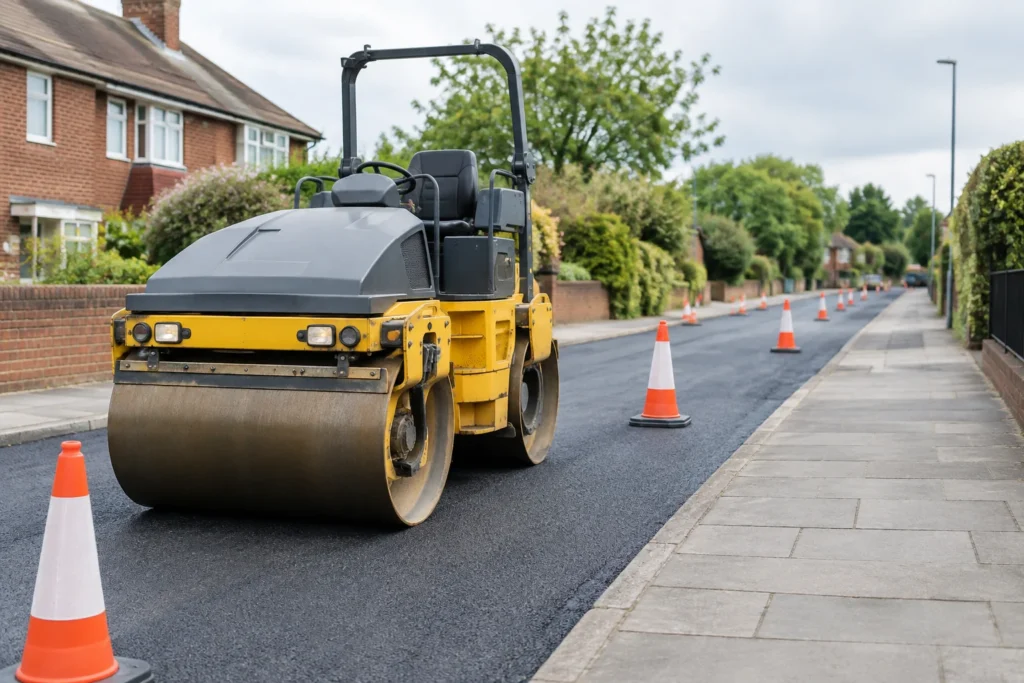
Bury’s £12.9m highways programme covers resurfacing, footways, structures and road safety, with some delivery planned into 2027/28.
Funding and delivery at a glance
Bury’s highways programme allocates £12.9 million to roads, footways and bridges, alongside crossings, drainage, lighting and other maintenance. Announced on 7 October 2026, it progressed to a Cabinet decision on 14 October. The decision register, checked on 24 October 2026, records “Recommendations Approved (subject to call-in)”.
The documents describe funding and programmed work, not £12.9 million already spent or improvements already completed. Funding is to be committed during 2026/27, while some delivery extends into 2027/28. For residents and businesses, the papers explain the investment priorities but do not provide a comprehensive construction timetable.
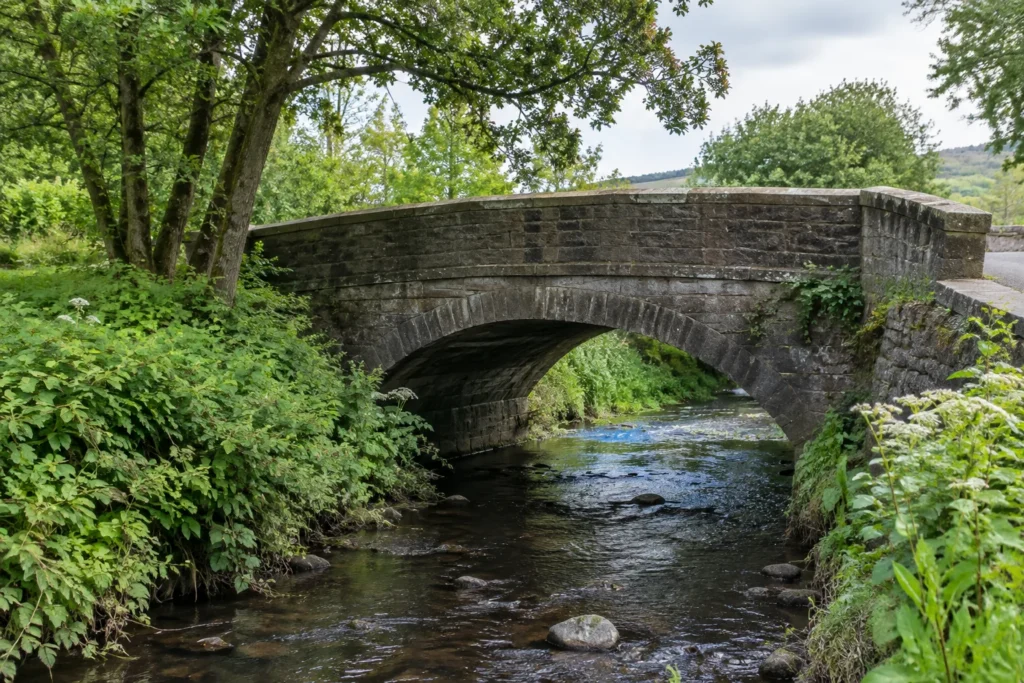
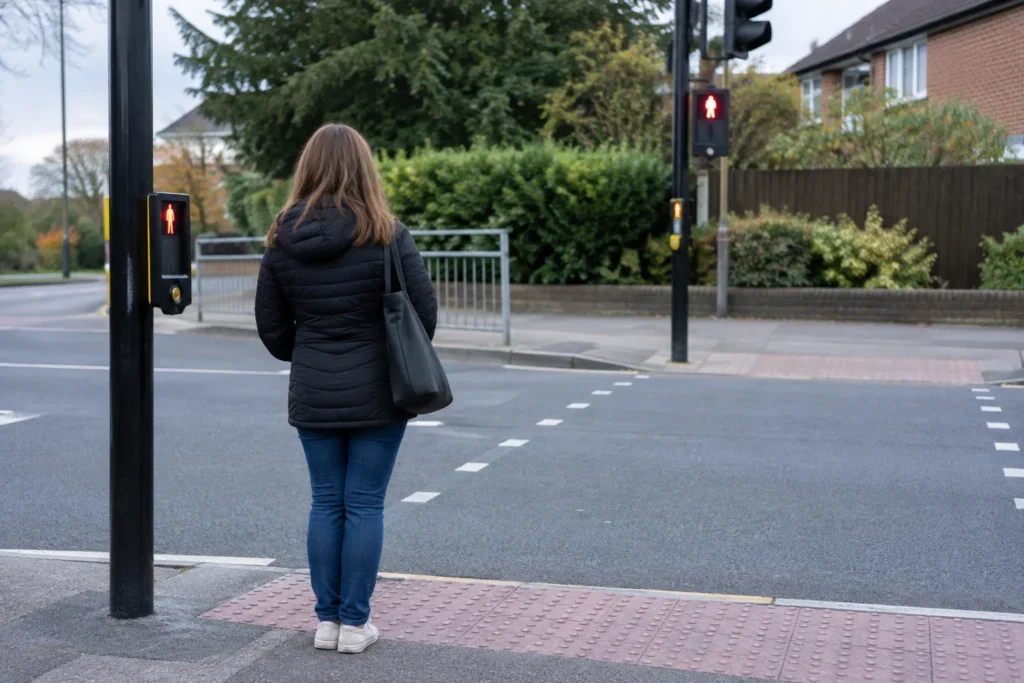
The cover and article images are AI-generated illustrations of generic scenes related to this topic.
What Bury’s £12.9 million highways programme funds
The council’s 7 October announcement gives rounded allocations of £6.6 million for resurfacing, £1.4 million for preventative maintenance, £1.16 million for structures and £1 million for footways. More than £1.1 million is allocated to road safety.
The Cabinet report also identifies £1.253 million for routine highway maintenance, £220,000 for drainage repairs, £167,000 for street lighting and £50,000 for rights-of-way maintenance. Bury’s highways programme therefore reaches beyond resurfacing alone, covering several parts of the highway network.
Funding for roads, footways and bridges
The report sets out a £12.917 million funding profile. This comprises £5.797 million in City Region Sustainable Transport Settlement core funding and £1.520 million for the Key Route Network through the same settlement. A further £113,000 comes from Network North.
The Mayor’s Pothole Fund contributes £4.374 million, while Integrated Transport Block funding accounts for £1.113 million. These are funding sources, rather than separate lists of projects. They should not be added to the spending categories as though they represented extra investment.
The distinction matters when reading the figures for roads, footways and bridges. The announcement uses rounded amounts, while the report’s financial tables use thousands of pounds. Its displayed work-category figures also contain a small discrepancy, so they should not be treated as an exactly reconciled account.
How roads and footways are prioritised for treatment
Bury road maintenance priorities begin with a constraint: available funding cannot address every maintenance need. The council’s resurfacing methodology describes an initial ranking based on network data, followed by engineering checks and development of a deliverable programme.
Annual surveys, inspections and maintenance history provide evidence of condition. Assessments consider cracking, fretting, rutting and deformation. These describe different forms of surface deterioration, from material breaking away to changes in the road’s shape.
On classified roads, the methodology also uses SCRIM CSC skid-resistance data. This adds information about the surface’s skid resistance rather than relying solely on visible defects. Bury road maintenance assessments therefore bring several types of evidence together before engineers select a treatment.
Route importance is another consideration. Assessments include road classification, network hierarchy, traffic levels, the population served and resilience. Accident data, speeds and public transport also inform the process. Condition is therefore important, but it is not the only factor affecting priority.
Neighbourhood evidence includes customer intelligence, recurring maintenance problems, local demand and councillor engagement. This sits alongside the technical assessment rather than replacing it. The methodology gives local experience a role within a broader evidence-based process.
Bury road maintenance does not mean full resurfacing at every selected location. Options include surface dressing, micro-asphalt and preservation techniques. Treatment selection seeks timely intervention and value over the asset’s life, rather than applying one solution regardless of condition.
Engineers then investigate failure causes, check the proposed treatment, define scheme boundaries and assess costs. Coordination with utility work, regeneration, active travel and drainage can affect the order of delivery. Material departures from the initial ranking require documented evidence and an approving officer.
Traffic management, seasonal constraints and design readiness also influence scheduling. Bury road maintenance methodology is reviewed annually against treatment performance, network condition, reactive maintenance demand and delivery outcomes. Forecast whole-life benefits form part of that review, but forecasts are not evidence that benefits have already been achieved.
Bridge, retaining-wall and subway investment
The structures allocation is spread across two financial years. The structures priorities schedule programmes £315,000 in 2026/27 and £845,000 in 2027/28, giving a combined £1.16 million. It should not be read as expenditure entirely within the first year.
One of the largest named items in Bury’s highways programme is Eagle & Child Retaining Wall. Inspections identified bulging, other wall defects and heavy deformation of the footpath retained by the wall. Investigation and masonry refurbishment are required, with £460,000 scheduled for 2027/28.
The schedule records a delay pending agreement of a legal easement with the brewery.
Walshaw Bank Footbridge has £45,000 programmed for replacement. The scope includes new abutments, rebuilt training walls and a new superstructure. Abutments support the ends of a bridge, while the superstructure is the spanning part above them.
At Woodhill Bridge, £50,000 is allocated to masonry-arch refurbishment. The listed work includes training-wall work, rebuilding spandrel walls and pressure pointing the arch ring. This is a refurbishment proposal for an existing structure, rather than a replacement bridge scheme.
A further £425,000 across both years covers miscellaneous structures and feasibility work. This includes design and bidding for future work, alongside urgent schemes arising from continuing inspections and assessments. Not all structures funding is therefore attached to a single named construction project.
Three additional provisions of £50,000 each cover subway and LED-lighting improvements, protective systems on steel elements, and replacement or renovation of smaller structures. Another £30,000 covers retention and miscellaneous payments.
Crossings, school safety and interactive signs
The road-safety priorities appendix reproduces a £543,000 minor-works programme approved on 11 March 2026. It is included for information, not as a new sum to add on top of the £1.113 million road-safety allocation.
That £543,000 total includes £82,000 in fees, shown at 18%. The distinction between the earlier schedule and the broader allocation prevents the same safety funding being counted twice.
Two proposed crossing schemes each carry £125,000. One is a new Puffin crossing on the B6196 Ainsworth Road near Watling Street. The other would upgrade the Zebra crossing on the B6213 Market Street in Tottington to a Puffin crossing.
Two further schemes would replace older Pelican crossings with Puffin crossings on the A665 Bury Old Road. One is near Kenilworth Avenue in Whitefield; the other is near Cuckoo Lane in Prestwich. Each has £50,000 programmed.
The Cecil Street area in Bury has a proposed £75,000 school scheme. Its stated scope is a 20mph zone with traffic calming. The schedule identifies the intended measures, without establishing an operating date or reporting a measured change in vehicle speeds.
New interactive safety signs are proposed for Chapel Street in Tottington and Bury Old Road near St Monicas in Prestwich. Each location has a £5,000 provision. These are distinct from the replacement signs also listed in the appendix.
Replacement interactive signs are budgeted at £5,000 per location on Holcombe Road in Greenmount, Radcliffe New Road in Radcliffe, Manchester Road near Wellington Road in Bury, and Rochdale Road in Bury.
A further £6,000 covers borough-wide remedial lining and signing. This smaller provision forms part of the same documented safety schedule, alongside the larger crossing and school-area proposals.
How the programme will be delivered and amended
The Cabinet report says funding is to be committed during 2026/27, with some delivery extending into 2027/28. The stated reasons include programme management and coordination with other investment. A funding commitment and completion of construction are different milestones.
The recommendations provide for programme and priority amendments by the Executive Director of Place, in consultation with Councillor Smith. Changes may respond to asset condition, emerging risks, funding opportunities and delivery considerations.
Delivery is through the highways services-and-works framework. Its commitments include sustainable employment, support for local businesses and communities, and carbon reduction. These are framework commitments, not reported measurements of employment, commercial benefits or emissions savings from this programme.
For the full funding and delivery arrangements, read the highways Cabinet report alongside its appendices. Together, they explain the programme for roads, footways and bridges while keeping proposed investment distinct from completed work.
Sources
- £12.9m investment programme to support safer, smoother journeys across Bury | Bury Council
- Issue details – Highways Capital Programme 2026/2027 & 2028/2029
- councildecisions.bury.gov.uk
- councildecisions.bury.gov.uk
- councildecisions.bury.gov.uk
- councildecisions.bury.gov.uk
- Highways capital programme: decision details
- Highways capital programme: issue history