
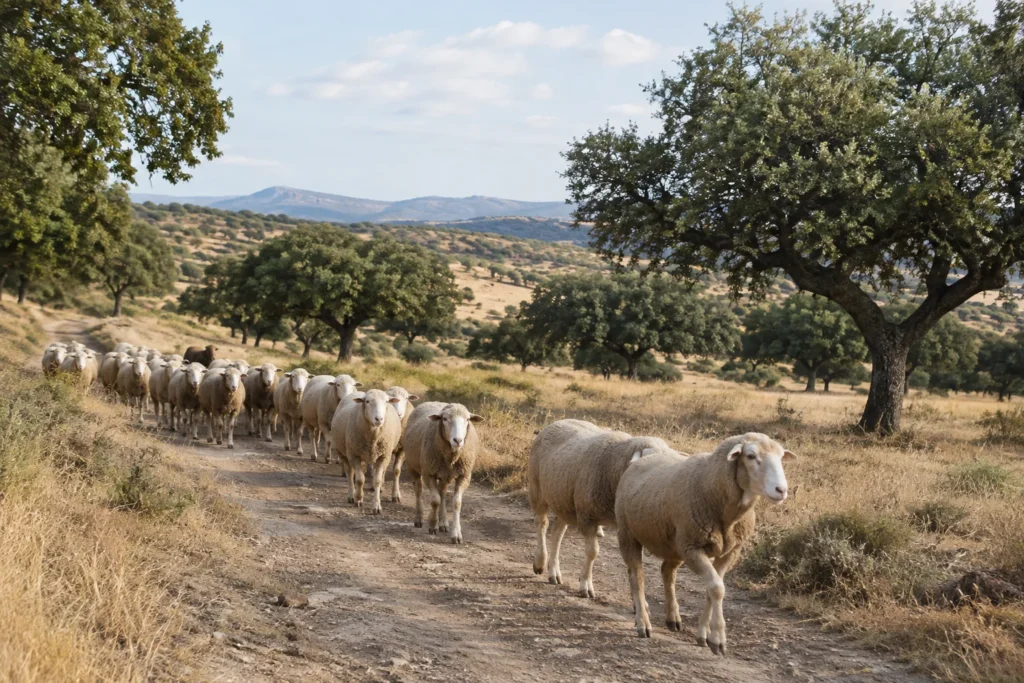
The Madrid sheep procession on 25 October marked a festival connecting seasonal grazing with cultural heritage, pastoral knowledge and biodiversity.
Seasonal grazing takes centre stage in the capital
Madrid Transhumance Festival 2026 brought thousands of sheep and goats through the Spanish capital on Sunday, 25 October, according to AP. The procession celebrated a pastoral tradition built around seasonal journeys between grazing areas. It also drew attention to the knowledge, landscapes and livestock routes that sustain that practice beyond the city celebration.
Residents and tourists watched the animals pass through Madrid. Behind that urban spectacle lies a working system of animal husbandry, recognised as cultural heritage and linked to the management of pastures and connected habitats.
Madrid's 2026 procession and wider festival programme
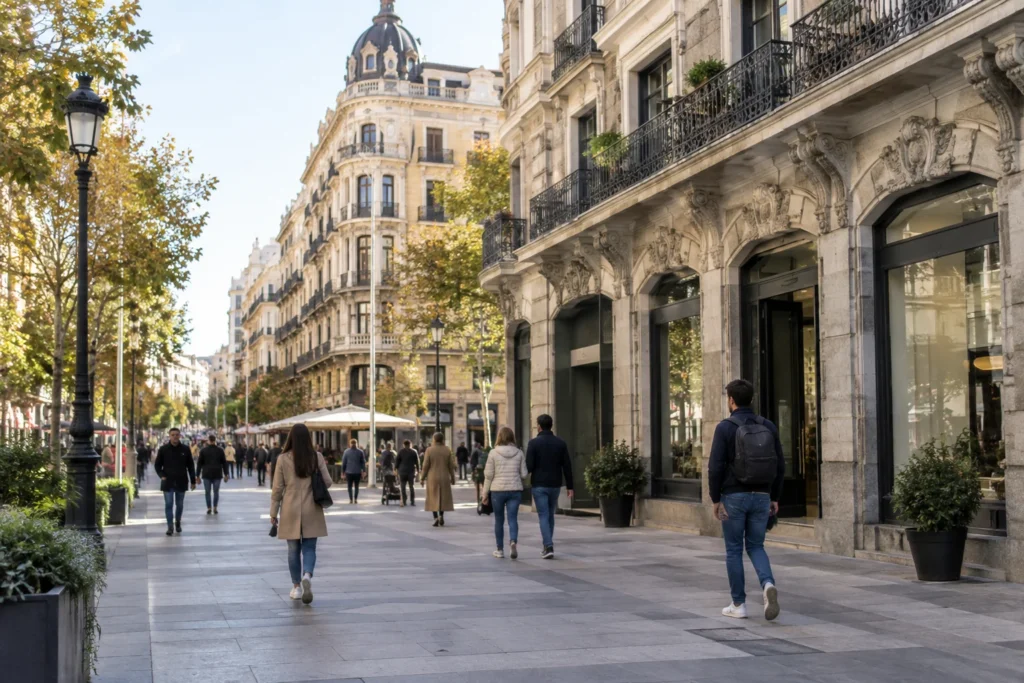
AP’s report of Sunday’s procession confirms that the livestock movement took place. It describes thousands of sheep and goats, but does not provide a verified spectator total. The Madrid sheep procession was therefore an observed event, rather than simply an activity awaiting confirmation.
Madrid Transhumance Festival 2026: dates and programme
The official tourism listing advertised the festival for 24–25 October. Its update date, 16 October 2026, was separate from those event dates and should not be confused with a new announcement on procession day.
The Casa de Campo Environmental Education Centre had outlined a wider programme in an announcement dated 1 October. It described the celebration as the thirty-third edition and advertised free activities for families and adults between 16 and 25 October.
The council’s festival programme said Sunday would culminate with livestock passing through central streets and a traditional handover of maravedís. That establishes the intended ceremony; AP’s confirmation of the procession does not independently establish that every advertised element occurred.
How seasonal pastoral migration works
Transhumance means moving people and livestock seasonally between geographical or climatic regions. UNESCO describes journeys in spring and autumn along traditional pastoral paths. Herders travel on foot or horseback, accompanied by dogs and sometimes their families.
Seasonal pastoral migration follows the changing availability of grazing. Rather than relying on one location throughout the year, herders use areas whose productive seasons complement one another. The movement is part of livestock management, not simply a ceremonial journey.
Spain’s environment ministry illustrates this pattern through winter grazing in the dehesas of Andalucía and Extremadura, and summer pastures in the Cordillera Cantábrica and Sistema Ibérico. Dehesas are wooded grazing landscapes: they form one part of a broader system connecting different environments.
Those examples explain Spain’s pastoral geography. They do not establish where the animals in Sunday’s procession had travelled from, or where they would go next. No precise rural itinerary for the festival’s livestock can be reconstructed from that national description.
The distinction matters when viewing the Madrid sheep procession. A brief passage through city streets makes the animals and herders visible to an urban audience. The wider practice involves recurring decisions about grazing, animal care and movement across landscapes whose conditions change with the seasons.
From medieval livestock routes to a modern festival
The paths behind transhumance form an extensive network rather than a single historic trail. Spain’s environment ministry traces their protection to the Honrado Concejo de la Mesta, established by Alfonso X in 1273.
That medieval reference concerns the organisation and protection of livestock routes. It does not date the founding of Madrid’s modern festival, establish Sunday’s precise route or prove that a particular historical toll was paid during the 2026 celebration.
The ministry’s overview of Spain’s livestock routes describes a general network exceeding 125,000 kilometres and covering 425,000 hectares. These are the ministry’s published network figures, not measurements taken for this year’s festival.
Major routes known as Cañadas Reales connect with narrower cordeles, veredas and coladas. Resting places and associated infrastructure also belong to this pastoral network. Together, they reflect the space and facilities required to move and manage livestock over long distances.
The ministry identifies Law 3/1995 of 23 March as the general framework governing these routes. They are public-domain assets held by Spain’s autonomous communities, which generally manage and administer them within their territories.
This gives the festival a present-day context as well as a historical one. The routes are not only reminders of earlier rural life: they remain a recognised category of public land, with an administrative framework distinct from the organisation of a city celebration.
Why grazing and connected routes matter for biodiversity
The environmental significance of transhumance rests on how pastoral systems function across landscapes. Spain’s 2013 white paper on transhumance explains several mechanisms. It is historical explanatory evidence, not a current census or an assessment of the Madrid festival.
Extensive grazing can maintain semi-natural landscapes, including mountain pastures and dehesas. Its effects depend on grazing intensity. The white paper identifies soil fertilisation, protection against erosion and the dispersal of seeds and small animals among the functions associated with these systems.
Grazing also clears vegetation, which can help protect against fire while maintaining varied habitats. This is a description of a management mechanism, not evidence that Sunday’s procession prevented fires or produced a measurable environmental improvement.
Livestock routes can provide breeding, sheltering and feeding areas for wildlife. Moving animals also transport seeds and insects over long distances. Those movements can connect habitats and support genetic exchange where fragmented landscapes would otherwise separate populations.
The white paper distinguishes provisioning, regulating and cultural services. Provisioning includes products such as meat, milk, leather and manure. Regulating functions concern ecological processes, while cultural services reflect the knowledge and traditions associated with pastoral life.
Seasonal pastoral migration also allows herders to use grazing resources whose productivity peaks occur in different places and at different times. That links the movement’s practical purpose to its environmental setting. The biodiversity theme is therefore broader than animals appearing in a city: it concerns the continuing management of grazing land and the connections between habitats.
Madrid's newly recognised pastoral heritage
A separate regional development preceded the festival. On 21 October 2026, the Community of Madrid announced government approval to declare transhumance a Bien de Interés Cultural in the intangible heritage category.
The regional heritage announcement describes a social and cultural practice that shaped the itinerant lives of shepherds and their families. Its legacy includes buildings, working objects, domestic equipment and landscapes, as well as knowledge carried by people.
Shepherds’ huts and shelters, livestock enclosures and sheepfolds are among the physical traces identified. These places connect the movement of flocks with the practical requirements of shelter, animal handling and daily life.
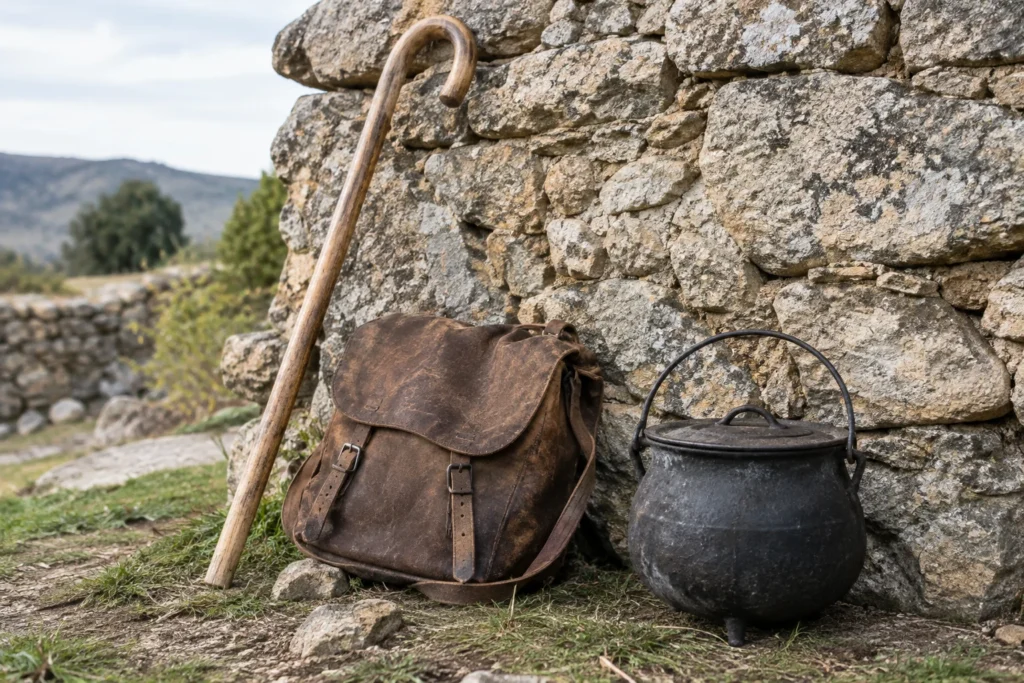
The documented objects include crooks, hooks and staffs used to manage animals. Iron cooking pots, food containers, awls and wooden chopping blocks also appear in the regional account. They show that pastoral heritage includes domestic routines and craft skills, not only the more visible work of guiding livestock.
These are examples from the heritage description, rather than an inventory of objects displayed at the 2026 festival.
In its 21 October statement, the regional government said the practice continued principally in Sierra Norte, Cuenca del Guadarrama and Cuenca Alta del Manzanares. It linked transhumance with economic and cultural exchanges, social relationships and local celebrations.
Bell-ringing traditions and the Pastorela of Braojos were among the expressions it identified. The recognition therefore extends beyond a procession in the capital to a wider network of communities, places and practices associated with pastoral life.
Passing pastoral knowledge between generations
UNESCO inscribed transhumance on the Representative List of the Intangible Cultural Heritage of Humanity in 2023. Its description of the pastoral practice encompasses knowledge of environments, animal care, breeding, training and natural-resource management.
Food traditions, handicrafts, rituals and festivities marking the pastoral seasons also form part of that account. This international recognition concerns transhumance itself, rather than conferring a separate status on Madrid’s festival.
UNESCO describes knowledge passing through observation and practical participation within families. Community celebrations along pastoral routes provide another setting for transmission. Associations, herding networks, universities and research institutes also contribute through workshops.
Its account highlights social inclusion, cultural identity and connections between families, communities and territories. These describe the practice’s cultural dimensions; they are not measured outcomes from the 2026 event.
Madrid Transhumance Festival 2026 made that wider pastoral world visible in the capital. The confirmed procession supplied the spectacle, but the story extends to seasonal grazing, public routes, working knowledge and regional traditions. Readers seeking the programme’s original scope can consult the council announcement, while the heritage descriptions explain what continues beyond the festival weekend.
Related reading
Frequently asked questions
When was Madrid’s 2026 Transhumance Festival?
Madrid’s official tourism listing advertised the festival for 24–25 October 2026. The council also advertised an educational programme running from 16 to 25 October.
Did the Madrid sheep procession take place in 2026?
Yes. AP reported that thousands of sheep and goats passed through Madrid on Sunday, 25 October 2026, watched by residents and tourists.
Which edition was the 2026 festival?
The Casa de Campo Environmental Education Centre’s announcement described the 2026 celebration as the thirty-third edition.
What does transhumance mean?
Transhumance is the seasonal movement of people and livestock between geographical or climatic regions, allowing herders to use different grazing areas.
How far back does Spain’s livestock-route protection extend?
Spain’s environment ministry traces route protection to the Honrado Concejo de la Mesta, established by Alfonso X in 1273. That history is distinct from the age of Madrid’s modern festival.
How can transhumance support biodiversity?
Appropriately managed grazing can maintain habitats, while moving livestock disperse seeds and other organisms along connected routes. These mechanisms do not establish a measured biodiversity benefit from the Madrid festival itself.
What heritage recognition does transhumance have?
UNESCO inscribed transhumance on its Representative List of the Intangible Cultural Heritage of Humanity in 2023. On 21 October 2026, Madrid’s regional government announced approval to declare the practice a Bien de Interés Cultural in the intangible heritage category. Both concern the pastoral practice, not simply the festival.
How is pastoral knowledge passed between generations?
UNESCO describes learning through observation and practical participation within families, celebrations in communities along pastoral routes, and workshops involving associations, herding networks, universities and research institutes.