
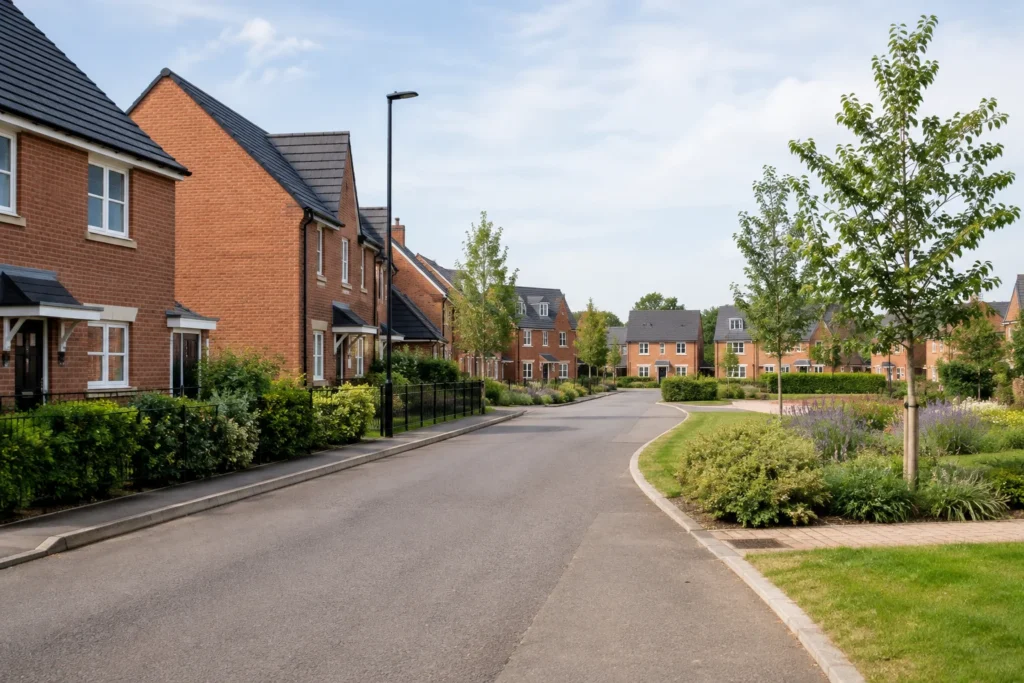
Manchester’s October update sets out ward-level affordable housing delivery and proposals. Its pipeline includes completed homes, construction and plans—not just homes already built.
What the ward figures show
Manchester City Council’s 15 October 2026 update sets out an affordable homes pipeline spanning completed homes, construction and proposals across the city. The Manchester housing update adds neighbourhood detail while repeating annual completion figures first published in July.
What the October housing update covers
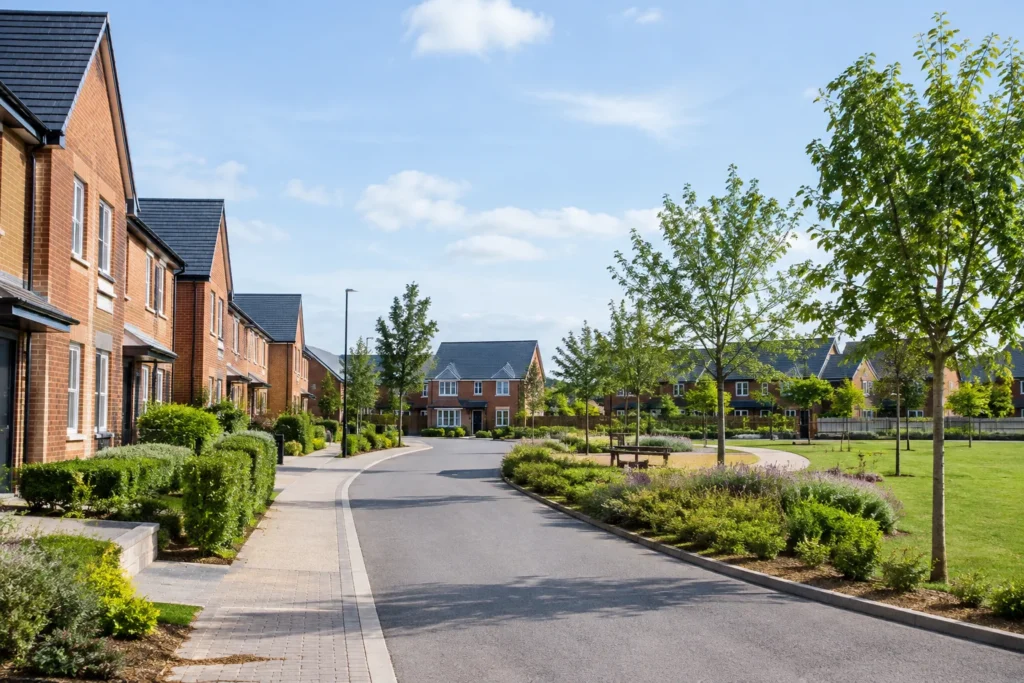
The council’s 15 October housing announcement describes how affordable housing delivery and planned development are distributed across Manchester’s wards. The figures concern Manchester city, rather than Greater Manchester as a whole.
The update followed the Executive meeting scheduled for 14 October 2026. The Executive agenda lists Housing Development – Delivery Update as item 7, with an Affordable Housing Ward Pipeline appendix covering 2022–2032.
That appendix provides a longer-term view than a single year’s completion statistics. It brings homes already built together with schemes at construction and planning stages. Those categories need to remain separate when assessing what has actually been delivered.
The completion figures were already published in July
The council’s 22 July 2026 housing release reported 4,766 annual completions across all tenures. That total included 901 affordable homes, of which 439 were for social rent.
These figures sit within one another. The 439 social-rent homes form part of the 901 affordable homes; they are not an extra group to add on. Likewise, the affordable homes sit within the overall 4,766 completions.
The October release repeats those numbers.
Separate completed homes, construction and proposals
The council’s update considers completed affordable homes alongside developments under construction and future proposals, including pre-planning schemes.
Affordable homes pipeline by delivery stage
A pipeline describes both delivery and potential future supply. It is not interchangeable with a completion total. The main distinctions are:
The council highlights combined completed-and-planned totals of 1,289 homes in Miles Platting and Newton Heath, 1,070 in Cheetham, and 806 in Ancoats and Beswick. Each is a mixed-stage ward total, not a count of completed homes alone.
How the pipeline relates to the 2032 housing target
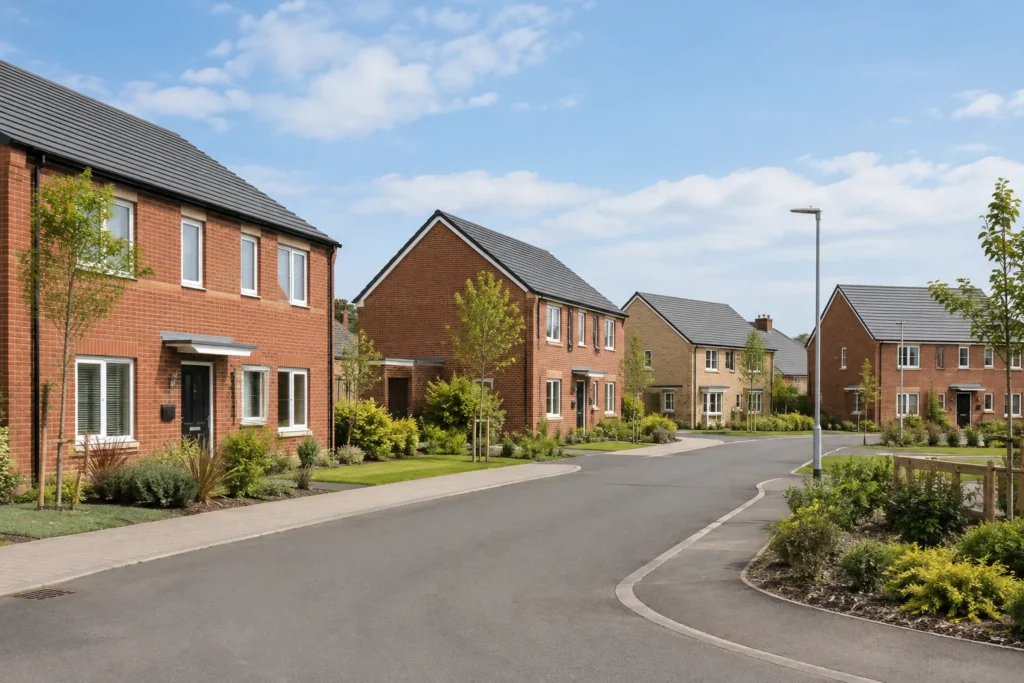
The council’s housing strategy aims to deliver at least 36,000 homes by 2032, including 10,000 social, council and genuinely affordable homes. The July release sets out these ambitions as targets, not completed delivery.
The larger figure covers all tenures. The 10,000-home figure is its social and affordable component, rather than a separate total to add to the 36,000.
The mixed-stage pipeline includes proposals as well as completed homes, so it is not a measure of completed delivery against the 10,000-home target.