
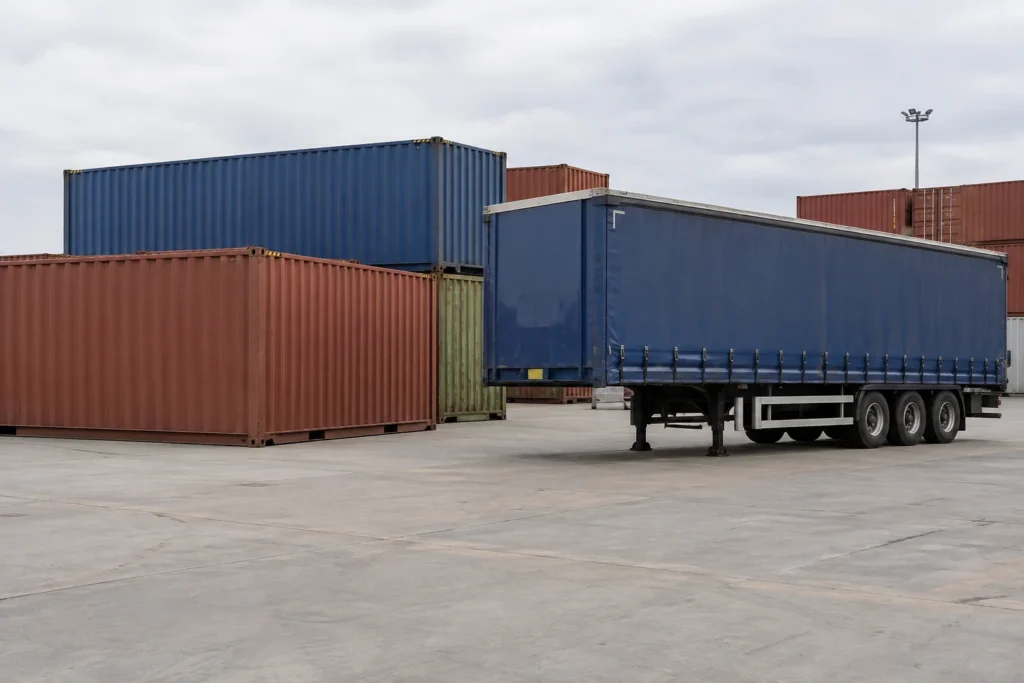
MPs have launched an inquiry into government export support and invited business evidence by 13 November 2026, examining practical advice, finance, overseas connections and access for SMEs.
What businesses are being asked to share
The UK export support inquiry is examining whether government assistance helps British businesses win overseas sales. Announced on 23 October 2026, it invites written evidence by Friday 13 November 2026 on practical advice, finance and overseas connections. Businesses can contribute experience of seeking or using UK export support services.
The Business, Innovation, Science and Trade Committee is conducting parliamentary scrutiny, not launching a grant scheme. Its questions are not a conclusion that every support service has failed.
MPs invite business evidence by 13 November
The committee’s announcement identifies practical assistance, export finance and overseas connections as central areas of examination. Its scope includes the Department for Business, Innovation, Science and Trade and UK Export Finance, particularly their support for small and medium-sized enterprises, or SMEs.
UK export support inquiry: who can contribute
The invitation extends beyond businesses already receiving assistance. Firms that have sought support can contribute, alongside trade bodies, finance providers and other informed organisations. Responses may address any or all inquiry questions, allowing contributors to concentrate on areas they know.
Committee chair Liam Byrne said MPs wanted business accounts of effective support, shortcomings and changes needed. The committee also reported encountering businesses unaware of important support services during its growth roadshows.
That observation explains part of the inquiry’s interest in awareness and access. It is the committee’s account of those encounters, not a representative statistical estimate of awareness across all UK businesses.
The invitation therefore covers both how assistance works and whether businesses can find it. Evidence about an unsuccessful search for help addresses a different part of that picture from evidence about support received. Both are relevant to examining access to UK export support services.
Service quality, priorities and trade agreements under scrutiny
MPs are asking about SME export performance, the factors driving it and the quality of government support. They also want evidence about additional business needs since 2016. That date defines a question for investigation; it does not establish a cause for changes in export performance.
The inquiry examines choices about resources as well as service delivery. Its questions include how resources should be allocated, which activities should stop and what provision might replace them. Contributors can also address international best practice and closer partnerships with organisations in the UK.
These questions concern the design of SME export support, not simply whether individual interactions were helpful. They allow evidence to address what government should prioritise and how different organisations could work together.
Targets are another part of the examination. MPs will consider whether export and support targets are appropriate and achievable, alongside how government sets priorities. A target’s existence and its suitability are separate issues for scrutiny.
Trade agreements also feature in the questions. The committee wants to examine how government monitors their implementation and helps businesses make use of them. This connects the policy framework for trade with the assistance businesses need to use it.
These are matters on which evidence is being sought, not findings already reached. Business experience can inform the committee’s assessment of what works and what may need to change.
Practical advice and overseas connections

The Government’s 2025 Trade Strategy provides a policy backdrop. It describes assistance with identifying opportunities, developing export capabilities and navigating customs, tariffs, product regulation and digital trade.
Those areas concern different parts of exporting. Identifying a potential market is distinct from understanding its requirements or developing the capability to supply it. The strategy presents practical assistance as covering those different needs, rather than treating overseas sales as a single task.
The document also records business complaints about scattered online information, difficult navigation and gaps in guidance. These are concerns reported in the strategy, rather than new findings from the UK export support inquiry.
In response, the strategy committed to clearer digital guidance and integrating SME export services into the Business Growth Service during 2025. The stated approach linked overseas expansion with wider business support.
That commitment should be read with its date attached. It records what government intended to do; it does not independently demonstrate that every change was completed or that export outcomes improved. The distinction matters when comparing policy promises with business experience.
The strategy also described changes to the overseas network. Priorities included promising markets, Industrial Strategy sectors, scale-ups and established medium-sized businesses. Some export-promotion resources were to move towards investment activity.
Those choices provide context for the inquiry’s questions about priorities and resource allocation. They describe where government planned to focus activity, rather than establishing which businesses ultimately benefited.
Trade Commissioners’ roles include market and regulatory advice and helping develop commercial relationships. These functions are relevant to the inquiry’s interest in overseas connections, but they do not amount to a promise of introductions or sales for an individual firm.
What export finance capacity means
The 2025 Trade Strategy states that UK Export Finance capacity increased by £20 billion to £80 billion. The £80 billion figure concerns institutional capacity. It is not money awarded through this inquiry, a total already distributed to businesses or an entitlement for an individual applicant.
The strategy describes several forms of support: working-capital guarantees, insurance, and loans or guarantees for overseas buyers sourcing from the UK. These are different financing mechanisms, not interchangeable descriptions of a grant.
A larger capacity figure does not, by itself, show how many businesses obtained support or what happened to their overseas sales. Those outcomes require separate evidence.
The strategy also describes Regional Export Finance Managers offering free, impartial financing consultations. Their role includes helping businesses identify suitable support, assisting applications and liaising with banks. Overseas Country Heads provide impartial support in key markets.
These are descriptions in the dated strategy, not confirmation of a particular firm’s eligibility or application outcome. Within the inquiry, business evidence can help MPs examine how the finance assistance described in policy operates in practice.
How delivery and results are being assessed
A government response published on 21 October 2026 gives a separate account of business-support delivery. It responds to the report Investing in the UK economy, not to this export inquiry.
Ministers accepted a recommendation to evaluate the Business Growth Service. They said a framework was being developed to measure awareness, uptake and support quality across the whole support journey. That describes evaluation work in development, rather than a completed assessment of results.
The response reported more than 750,000 users of business.gov.uk. This is a government-reported total for the wider business-support website. It is not a count of exporters, a measure of export sales or evidence of participation in any particular locality.
Other activity described included continuing user testing, a Business Voices Panel, additional on-demand Business Academy functionality and an AI bot trial addressing domestic and overseas growth questions. Their stated status matters: a trial or continuing development is not itself demonstrated success.
The Government also described integration with Growth Hubs and the Business Support Service in England. Work on referrals, data sharing, co-branding and joint evaluation was continuing.
Ministers said they would explore appropriate international comparators, while recognising differences in delivery models and available data. Such differences affect what comparisons can show.
Together, these statements provide context for scrutiny of SME export support. They remain the Government’s account of activity and plans, not findings reached by the export inquiry.
Submitting evidence and the scrutiny process

As checked on 25 October 2026, the inquiry publications page said evidence was being accepted and listed no other publications. It also stated that the committee does not handle individual cases or specific complaints.
Contributors should start with the inquiry questions and select those relevant to their knowledge or experience. There is no requirement to answer every question.
Parliament’s general written-evidence guidance recommends concise submissions with headings and numbered paragraphs, plus an opening summary for longer evidence. Material must be original, prepared for the committee, honest and accurate.
The general guidance specifies one editable file under 25MB, rather than a PDF or multiple files. Organisational submissions should omit logos, and contact details are collected separately. These are Parliament’s general requirements; contributors should also check the live submission instructions. No inquiry-specific word limit is stated here.
Publication deserves attention before submission. Committees generally publish written evidence permanently online. Contributors may request anonymity or confidentiality, but the committee decides whether to agree. Anyone concerned about identification, or needing reasonable adjustments or participation support, should contact committee staff.
Commons departmental select committees scrutinise spending, policy and administration, using written and oral evidence to inform their work. Inquiries usually conclude with reports recommending improvements, but recommendations are not binding on government.
Government usually has 60 days to respond to recommendations, although longer periods can be agreed. That general process is not a reporting timetable for this inquiry. The announcement does not establish hearing dates, witnesses or findings.
Businesses wishing to contribute should read the committee’s questions and follow the parliamentary submission route before Friday 13 November 2026. The immediate opportunity is to provide evidence about support in practice, not to apply for funding through the inquiry.
Related reading
Sources
Questions about the export support inquiry
What is the UK export support inquiry?
It is a parliamentary examination of government export assistance, announced on 23 October 2026. It covers practical advice, finance, overseas connections and support for small and medium-sized enterprises.
Who can submit evidence, and what is the deadline?
Businesses that have sought or used export support, trade bodies, finance providers and other informed organisations are invited to submit written evidence by Friday 13 November 2026.
What issues are MPs examining?
The inquiry covers service quality, SME export support, resource allocation, targets, partnerships and whether businesses can make practical use of trade agreements.
What practical export support does the Trade Strategy describe?
The 2025 Trade Strategy describes help with finding opportunities, developing capabilities, understanding customs and regulatory requirements, and building overseas commercial relationships. These descriptions do not establish outcomes for individual businesses.
Does the £80 billion figure mean businesses are being offered grants?
No. The figure describes UK Export Finance capacity in the 2025 Trade Strategy. Its support includes guarantees, insurance and buyer financing; the inquiry does not announce an £80 billion grant scheme.
Has the inquiry already established whether support works?
No findings were listed on the inquiry publications page when checked on 25 October 2026. A separate government response describes evaluation plans and service activity, but those statements are not findings of this inquiry.
Must a submission answer every inquiry question?
No. Contributors may address the questions relevant to their experience. Parliament’s general guidance recommends concise evidence with headings and numbered paragraphs, plus a summary for longer submissions.
Will written evidence remain confidential?
Not automatically. Committees generally publish evidence permanently online. Contributors can request anonymity or confidentiality, but the committee decides whether to agree. Anyone concerned about identification should contact committee staff.